
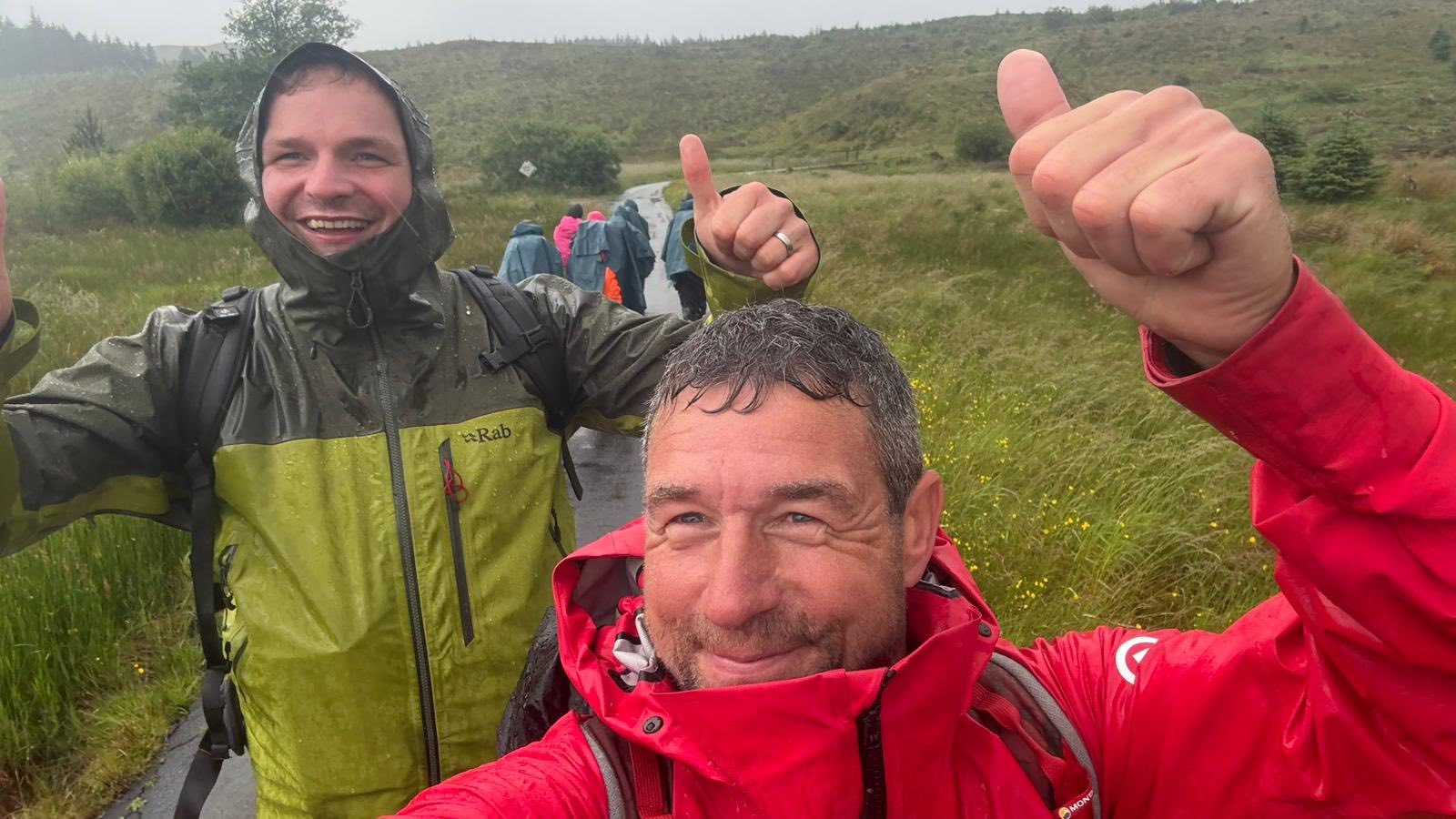
One of the most common worries we hear before a Duke of Edinburgh expedition is some version of: “What are instructors actually judging us on? Are we going to fail?”
Are we meant to be the fastest group? Does every navigation decision have to be perfect? What happens if someone struggles, or we get something wrong and don’t realise?
It’s worth saying this clearly from the start: DofE expeditions are not about perfection. They are not about never getting lost, never arguing, or never having a low moment, and they are certainly not about being the toughest or most confident person in the group.
From an instructor’s point of view, we’re not standing at a distance with a clipboard waiting for mistakes to happen. We’re far more interested in how a group responds when things don’t go exactly to plan, because that’s where the real learning sits.
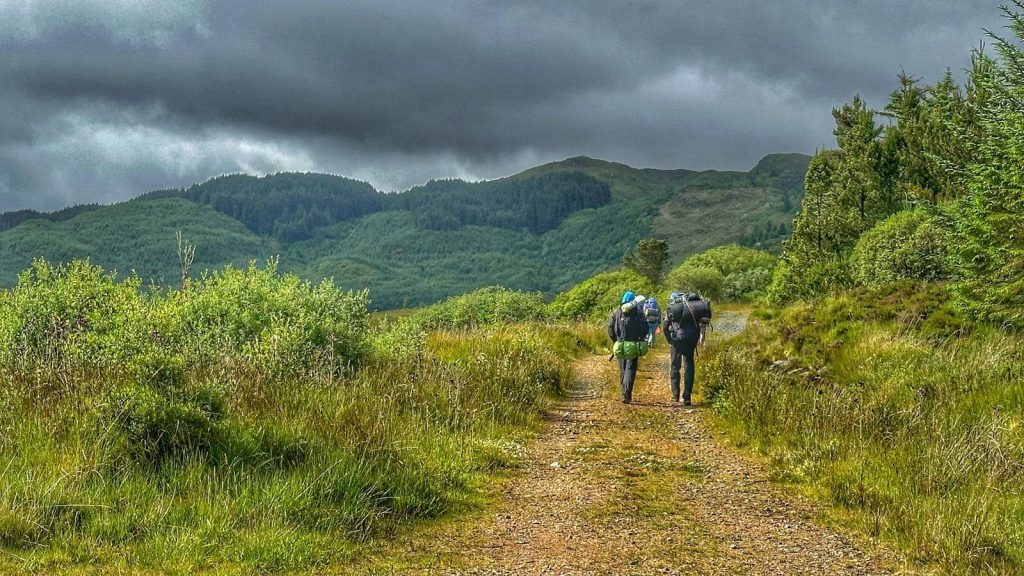
Let’s clear up a few myths first
Instructors aren’t looking for the fastest group, the quietest group, or the one that looks the most polished on paper. Perfect navigation from start to finish is not expected, and neither is constant positivity.
The Duke of Edinburgh’s Award is built around learning through experience. Mistakes are expected, and they’re often the moments that lead to the biggest growth, not something that counts against you.
Teamwork matters more than individual performance
One of the first things instructors notice has very little to do with maps or miles. It’s how you move as a group.
Do people walk together, or does one person surge ahead while others struggle behind? Are quieter members included in decisions, or do the same voices dominate every conversation? Does anyone notice when someone’s energy drops?
Strong teamwork rarely looks dramatic. More often it shows up in small, steady behaviours: someone easing the pace without comment, someone sharing food, someone checking in quietly rather than making a fuss. Those moments tell us far more than who’s “in charge”.
DofE expeditions are shared journeys, not solo missions with an audience.
Decision-making matters more than being right
Navigation errors happen to everyone. Always have, always will.
What instructors pay attention to is what happens next. Does the group stop and reassess, or keep walking and hope things sort themselves out? Are decisions talked through, or taken over by one person under pressure? Can the group pause, breathe, and use the map and compass properly rather than panicking?
A group that says, “Let’s stop here and work this out,” is doing well, even if they weren’t exactly where they thought they were ten minutes earlier. Calm decision-making shows confidence and maturity, not failure.
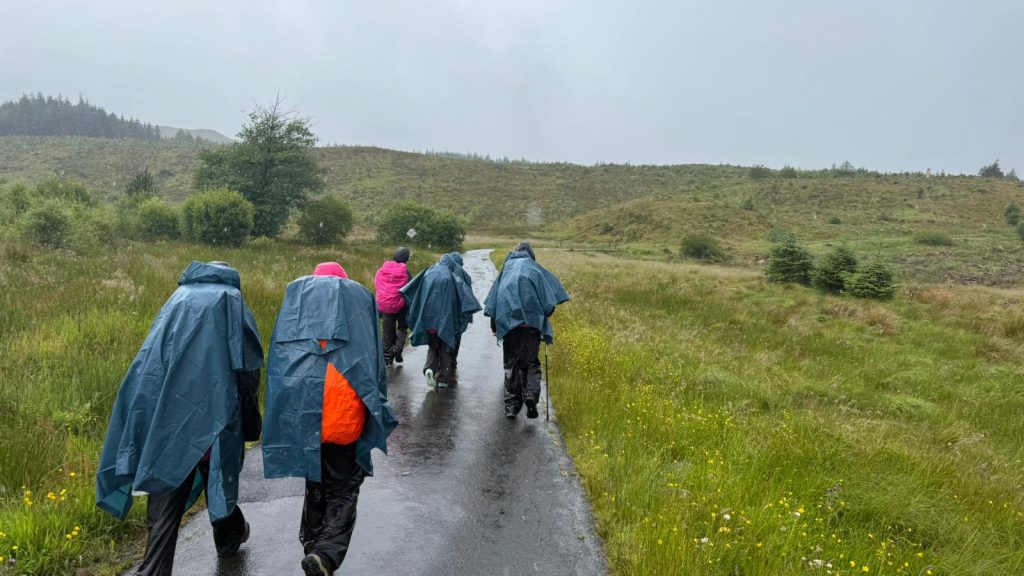
Speaking up is a strength
Some of the strongest expedition moments start with someone saying something small and honest:
“I’m not sure this is right.”
“My foot’s starting to rub.”
“Could we stop for a minute?”
Many young people worry about being the one who slows things down, but from an instructor’s perspective, early communication is a really good sign. It shows awareness and responsibility, and it usually prevents bigger problems later in the day.
No one is expected to struggle quietly on a DofE expedition.
Looking after yourself is part of doing well
Eating regularly, drinking enough, sorting wet socks, adjusting layers and pacing energy aren’t optional extras. They’re core skills, and instructors absolutely notice them.
Groups who remember to snack before they’re exhausted, who stop to deal with discomfort early, and who help each other stay regulated tend to move more steadily and enjoy the experience more. Those habits matter far beyond DofE, too, because they’re about recognising needs and responding before things spiral.
When it feels hard (because it sometimes will)
There will be moments that feel genuinely tough. Long hills, bad weather, tired legs, low morale, or a bit of friction within the group are all part of the experience.
Instructors aren’t expecting constant cheerfulness. What we’re watching for is how a group handles those moments. Can you keep moving together rather than turning on each other? Can frustration shift into problem-solving instead of blame? Can you support one another when energy dips?
Resilience isn’t about pretending something is easy. It’s about acknowledging difficulty and continuing anyway, with support.
This is one of the reasons outdoor learning is so effective, and something organisations like the Institute for Outdoor Learning consistently highlight. Supported challenge builds confidence in a way very little else does.
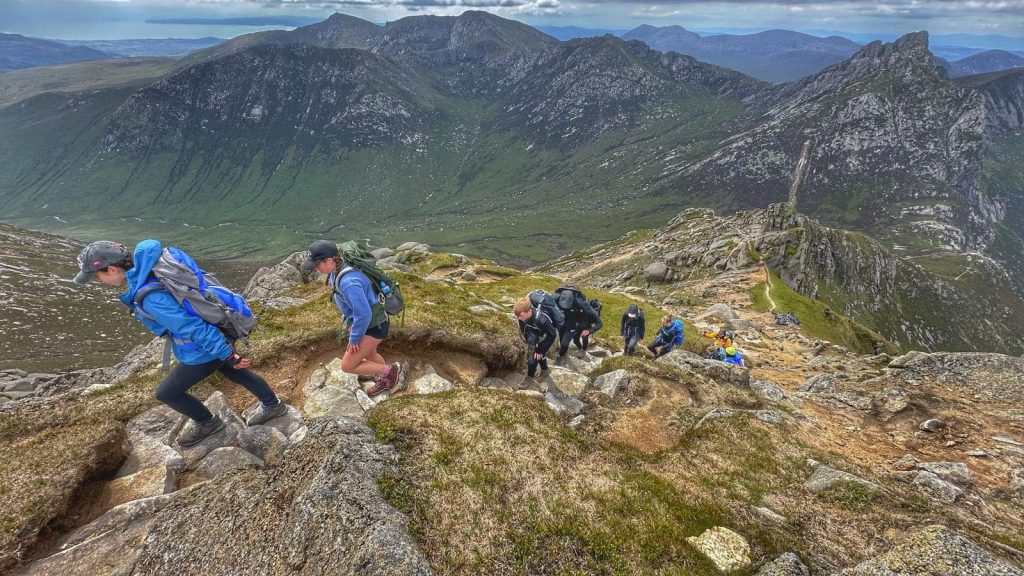
Progress matters more than performance
No one expects young people to start their expedition knowing everything. What instructors really enjoy seeing is progress.
Better decisions later in the day than earlier on. Navigation that feels more confident by the second day. A group that communicates more smoothly after a wobble. Those changes matter far more than getting everything right from the outset.
An expedition is a process, not a performance.
A quiet word for parents
If you’re reading this as a parent, it’s completely normal to feel anxious, particularly if this is your child’s first time away from home or their first major physical challenge.
What we see, time and time again, is young people returning more grounded, more self-assured, and quietly proud of themselves, even if they don’t immediately say much about it. They are supported throughout by trained staff, clear safety systems, and a structure designed to stretch without overwhelming.
DofE expeditions are not about pushing young people to breaking point. They’re about helping them realise what they can handle, often with a bit of surprise.
The main thing to remember
Instructors are not looking for perfect expeditions. They’re looking for thoughtful, supportive groups who learn as they go.
If you communicate honestly, look after yourselves and each other, make decisions together, and keep moving when things feel difficult, you’re doing DofE exactly as it’s intended.
Those moments that feel hardest at the time often become the ones people feel most proud of later.
For official guidance and expedition expectations, you can visit the Duke of Edinburgh’s Award website.