
Confidence rarely arrives in big, dramatic moments. It doesn’t announce itself, and it almost never appears when someone is actively trying to feel confident.
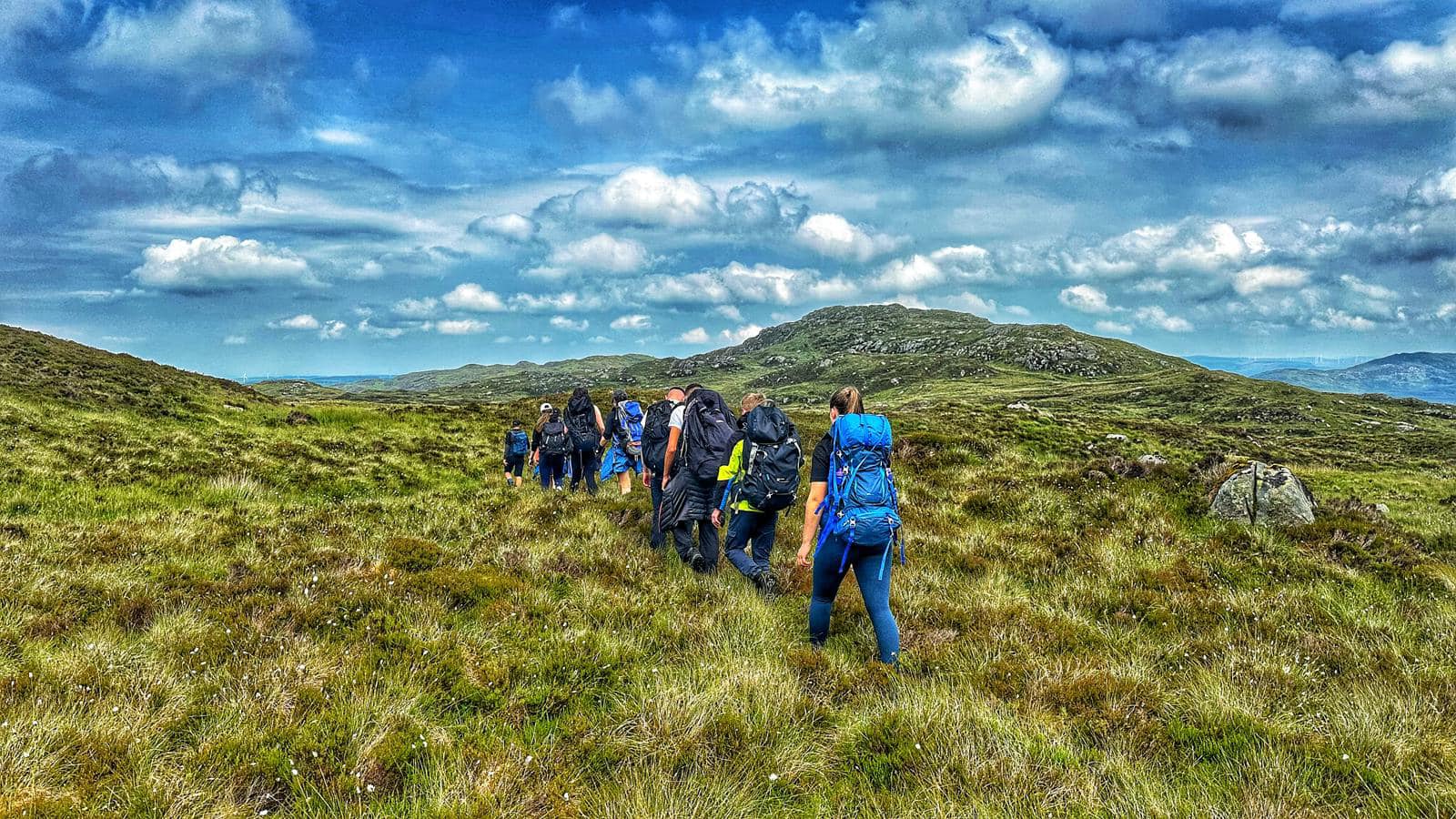
More often, it grows quietly. It might be halfway up a long hill when legs are tired but still moving, or at a confusing junction where the map finally makes sense after a bit of discussion. Sometimes it shows up at the campsite, when everyone is exhausted, but dinner still gets made and laughter creeps in despite the day. These moments don’t feel extraordinary at the time, but they matter.
That’s one of the reasons Duke of Edinburgh expeditions are so powerful. Young people don’t set out to build confidence, yet many return with a stronger belief in themselves than they realised they were capable of. Alongside that confidence develops something even more important: self-efficacy — the sense that “I can handle this”, even when things feel uncertain or uncomfortable.
In everyday life, confidence is often built through reassurance. There is usually someone nearby to say you’re doing fine, to clarify expectations, or to step in the moment something starts to wobble. On expedition, that safety net looks a little different.
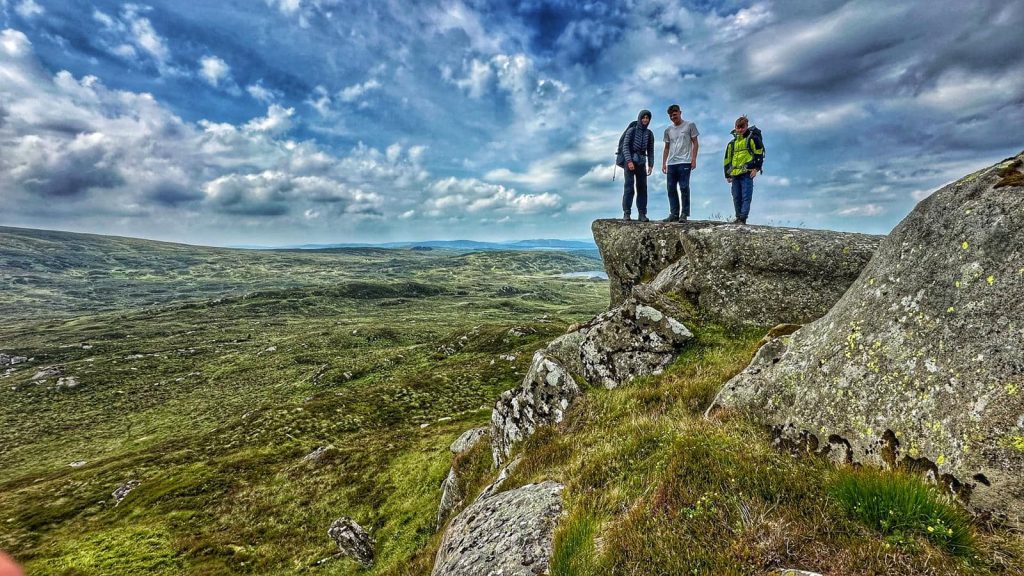
Young people are asked to make real decisions rather than hypothetical ones. They manage their own energy, take responsibility for their kit, work out where they are, and keep moving when things feel harder than expected. This isn’t because anyone wants them to struggle, but because self-efficacy develops through experience. It grows when someone realises they can cope without constant reassurance, and that they don’t need to feel confident before doing something in order to do it well.
There is often a moment, sometimes quiet and sometimes emotional, where something shifts internally. The realisation that something is difficult but manageable can be transformative, especially when it’s discovered rather than explained. That understanding tends to stay with young people long after the expedition ends.
What’s striking is that this growth doesn’t always come from big achievements. Confidence and self-efficacy tend to build through small, ordinary moments that might not look impressive from the outside.
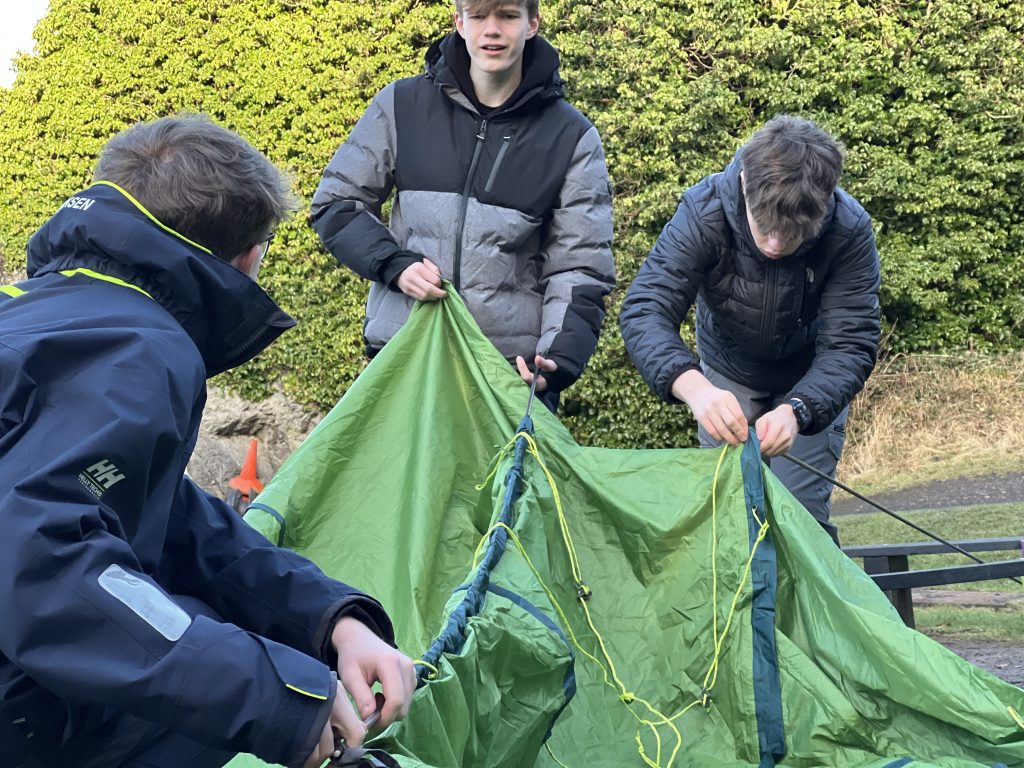
It might be packing a rucksack properly and noticing you no longer need help. It might be navigating a section you were anxious about and finding your decisions holding up. It might be speaking up when something doesn’t feel right and being taken seriously or supporting someone else through a wobble and realising your own steadiness in the process.
Taken together, these moments quietly reshape how young people see themselves. By the end of an expedition, many don’t say they feel more confident. They simply behave differently. They trust their judgement a little more, hesitate a little less, and approach challenges with a steadier sense of perspective.
Shared challenge plays a significant role in this process.
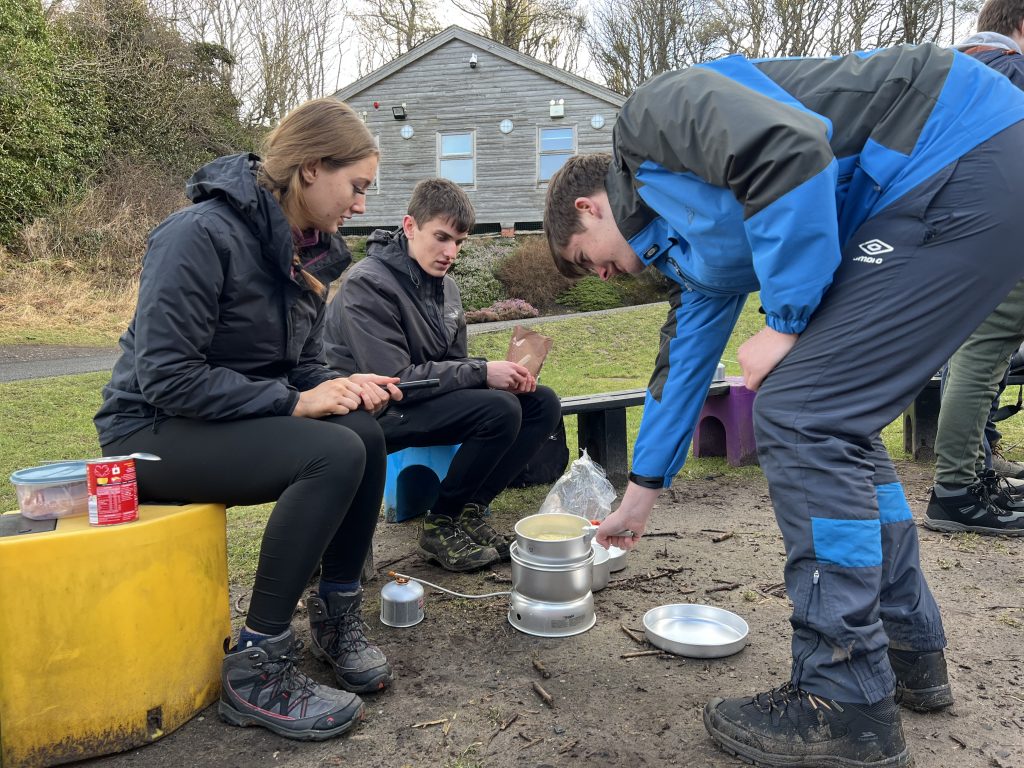
Doing something difficult alongside other people changes the story young people tell themselves. They begin to notice that everyone has moments of doubt, tiredness or frustration, and that these moments don’t cancel out ability or competence. Needing help no longer feels like failure, and offering support doesn’t come with the pressure of carrying everything alone.
We often see young people arrive believing that confidence means having all the answers, only to leave understanding that confidence can also look like admitting uncertainty or asking for a pause. Far from weakening a group, these moments usually strengthen it, reinforcing the idea that challenges are manageable when they’re faced honestly and together.
This is one of the reasons outdoor learning is so effective, and something frequently highlighted by organisations such as the Institute for Outdoor Learning. When challenge is shared and properly supported, it builds both confidence and self-efficacy in a way that praise or reassurance alone rarely achieves.
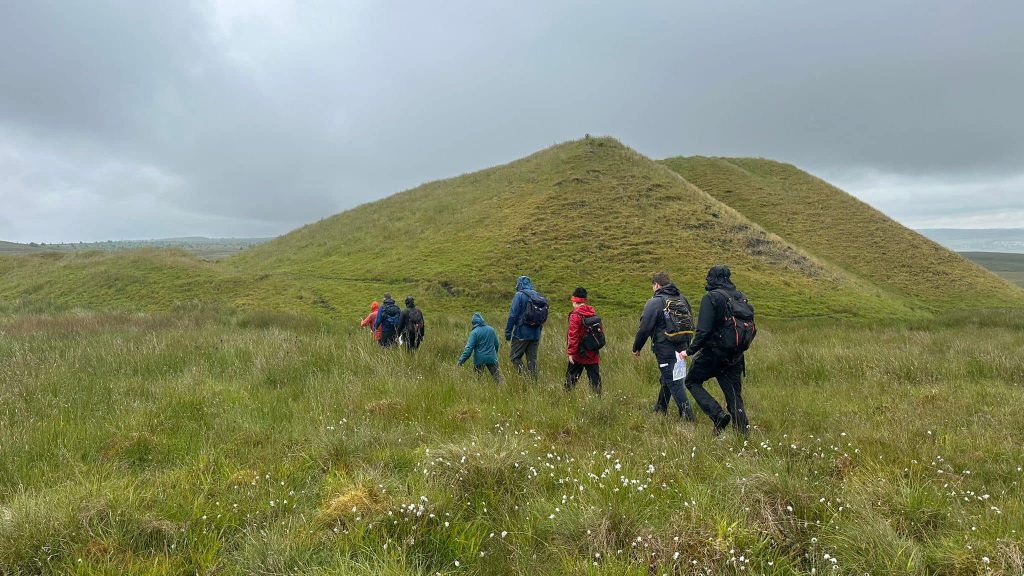
The impact of this learning doesn’t stay on the hill, we often see it emerge later in quieter ways. Young people communicate more clearly, cope better when plans change, and show greater willingness to try unfamiliar situations without needing everything mapped out in advance. There is a growing sense that they can work things out, even when conditions aren’t ideal.
The Duke of Edinburgh’s Award isn’t about turning young people into outdoor experts. It’s about helping them develop belief in their own capability through experience rather than instruction.
For parents, this can feel counterintuitive.
It’s natural to worry that challenge might knock confidence rather than build it, particularly if a child finds physical effort, uncertainty or time away from home difficult. What we consistently see, however, is that supported challenge tends to have the opposite effect.
When young people are given space to face difficulty — without being overwhelmed or left to struggle alone — they often return more settled in themselves. Not louder or outwardly more confident, but more grounded. They’ve done something real, and they know it, even if they don’t immediately talk much about it.
DofE expeditions are carefully structured, led by trained staff, and supported by clear safety systems. They are designed to stretch young people at an appropriate pace, creating space for learning without pushing anyone to breaking point.
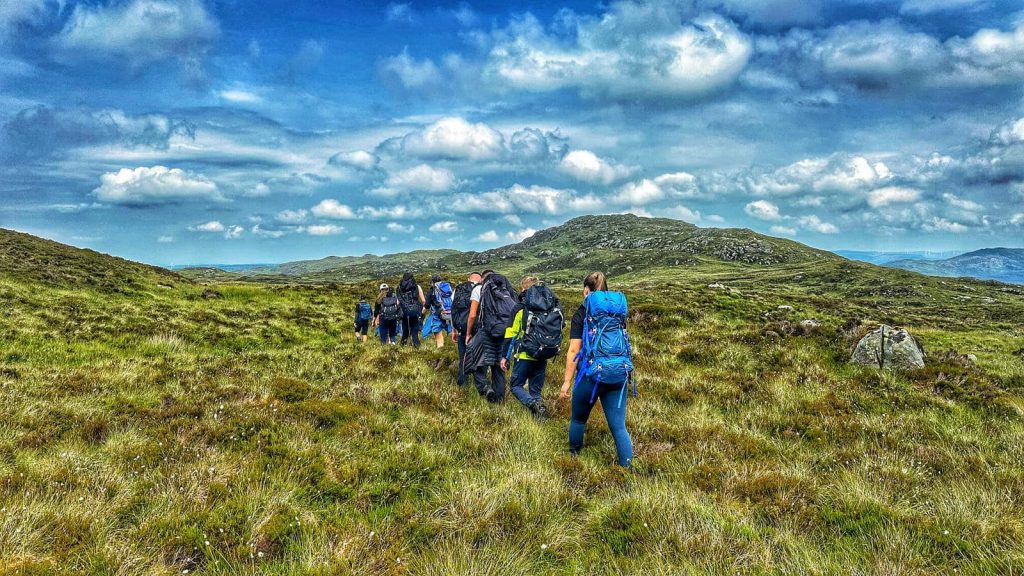
The confidence and self-efficacy that grow through DofE expeditions last because they are earned. They aren’t based on praise, comparison, or being told that anything is possible. They come from lived experience — from discovering, often quietly, that you can handle more than you once thought.
Young people rarely come back believing they were the best. They come back knowing they managed something that once felt daunting. That belief tends to stay with them.