If you’re preparing for your Duke of Edinburgh expedition, it’s completely normal to feel a mix of excitement and nerves — for young people and parents. Expeditions are challenging, yes, but they’re also full of moments that young people talk about for years afterwards: shared laughs, quiet pride, inside jokes, and the satisfaction of doing something properly for themselves.
Chances are you’ve already heard plenty of advice — what boots to buy, how heavy your rucksack should be, what food to pack. And while all of that matters, some of the biggest challenges on DofE expeditions don’t become obvious until you’re right in the middle of it. To reassure you straight away: everyone makes mistakes on DofE — that’s part of the learning. I certainly did.
I still vividly remember my own Bronze DofE expedition. I packed a full Mickey Mouse onesie, convinced I’d be cosy by a fire in the evenings. What actually happened was a rucksack so overstuffed I had gear hanging off every strap, feet covered in blisters, and a dramatic moment where I was adamant I was going to phone ChildLine. Somehow, I still came out the other side more confident — with a newfound love of the outdoors — and went on to become an outdoor instructor. So if you’re nervous, you’re in good company.
Here are the most common mistakes we see on DofE expeditions, with a bit of honesty about what they actually feel like and how to avoid them.
Overpacking (or Packing the Wrong Things)
The biggest mistake we see is packing for comfort rather than practicality — an imaginary version of the expedition involving cosy evenings, endless outfit options, bulky pyjamas, multiple hoodies, unnecessary toiletries (yes, including the full 10-step skincare routine), and novelty items that feel like a great idea at home. You’ll set off feeling fine and optimistic… then an hour in, your shoulders ache, the straps dig in, and every hill feels emotional. By lunchtime you’re eyeing up your mate’s tiny, sensible pack and wondering what life choices led you here. Extra weight doesn’t just slow you down — it drains energy, affects posture, and makes everything harder than it needs to be.
How to avoid it:
- Stick closely to the official kit list
- Prioritise multi-use items
- Lay everything out before packing and ask: Do I really need this?
- Pack as a group and compare — if everyone else has one jumper, you probably don’t need three
- If it’s bulky and non-essential, leave it at home
Comfort on expedition comes from being warm, dry, fed and rested — not from bringing novelty items you’ll resent by mile three. By the end of the expedition, most young people are amazed at how little they actually need. Learning to pack smart is a confidence boost in itself. You can find official kit guidance on the Duke of Edinburgh’s Award website under Expedition Resources.
Wearing Boots That Don’t Know Your Feet Yet
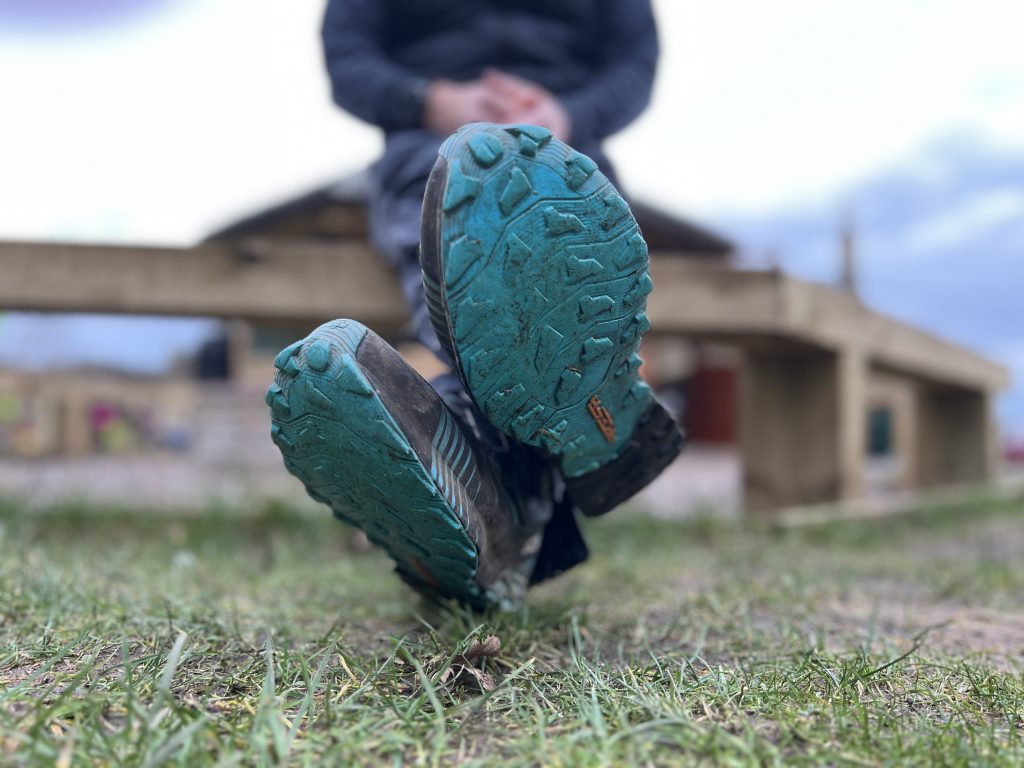
At first, everything’s fine… then there’s a slight rub… then a burn… then every step feels like a personal attack and you’re pretending you’re okay while silently bargaining with the universe. The mistake: Brand new boots, worn for the first time on expedition. This is the fastest route to blisters, hot spots, and misery. Painful feet affect morale, pace, navigation focus, and enjoyment.
How to avoid it:
- Break boots in well before expedition (walks, school, dog walks, training days)
- Pair boots with the socks you’ll use on expedition
- Learn where your feet rub and tape early if needed
Blisters aren’t a badge of honour or “character building” — they’re just painful. Learning to look after your feet is a genuine life skill, and most young people come away far more aware of what their body needs.
Ignoring Foot Care Until It’s Too Late
You notice something early on… but keep going. Later, it hurts. Later still, it really hurts. Now stopping feels even harder, and you wish you’d said something an hour ago. We get it — no one wants to be “that person” who stops the group because of sore feet. But small issues turn into big ones quickly when walking long distances, and once feet are damaged, recovery is hard.
How to avoid it:
- Speak up early — that’s good teamwork
- Keep feet dry where possible
- Change socks if they’re wet
- Tape hot spots immediately
Your instructors would always rather you stopped early than struggled on in silence. DofE teaches young people to speak up for themselves — and to support others when they do.
Underestimating Navigation Fatigue
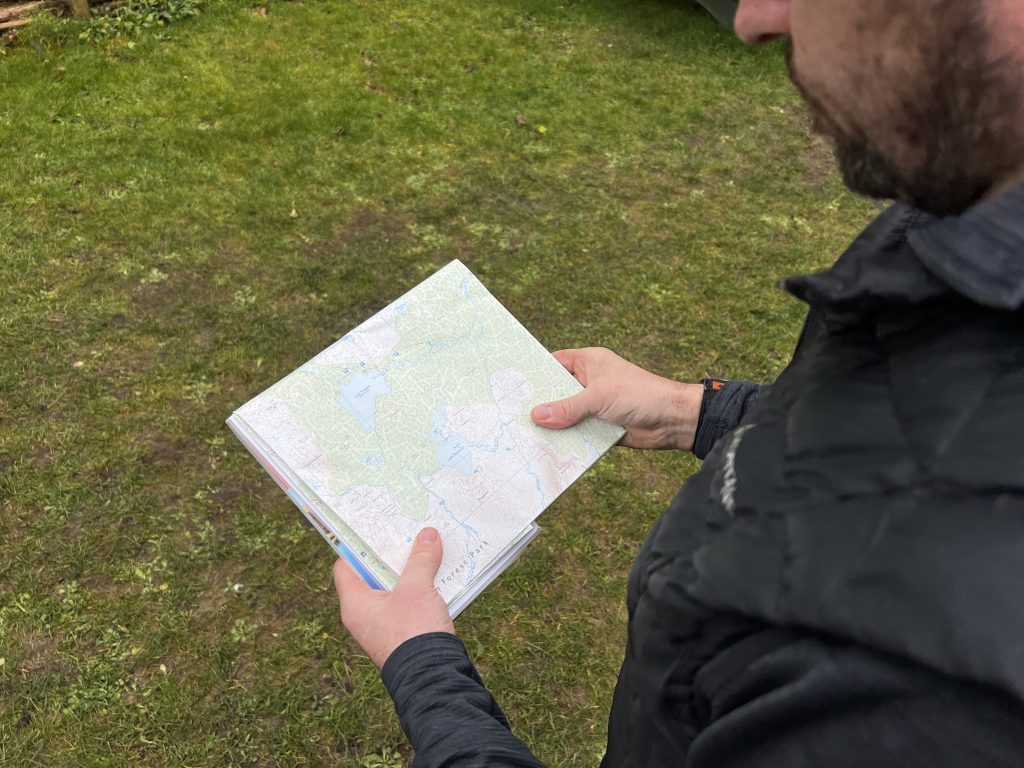
You’re tired, it’s raining sideways, everyone’s hungry, and suddenly the map feels like it’s written in another language. You think this is the right path… but what if it’s not? Do you say something, or hope for the best? Navigation takes concentration, teamwork and confidence — especially when conditions aren’t ideal.
How to avoid it:
- Practise navigating while tired
- Stop and recheck rather than “hoping it’ll work out”
- Learn to trust your compass, not just paths
Navigation confidence matters more than speed. There’s a huge sense of pride in making a good decision, checking it properly, and realising you got the group there. The DofE expedition is about journey quality — not racing.
Not Eating or Drinking Enough
We all know what being hangry feels like — now add a heavy rucksack, tired legs, and a journey that suddenly seems to stretch forever. You snap at the person beside you for breathing too loudly, every small problem feels massive, and you briefly consider setting your rucksack on fire. That was the moment you should’ve eaten. Sometimes it feels easier to forget to snack, skip lunch to “push on”, or you just can’t be bothered digging food out your bag. But low energy leads to poor decisions, slower walking, low mood, and unnecessary tension.
How to avoid it:
- Eat little and often
- Bring food you know you’ll eat
- Drink before you feel thirsty
- Keep snacks easily accessible (top pouch or side pocket)
Expedition days burn more energy than you think. Food is fuel — use it. Learning how food affects mood and energy is a powerful insight that sticks long after the expedition.
Letting Group Tensions Simmer
Someone’s walking too fast. Someone’s walking too slow. Someone keeps checking the map but not saying anything. No one wants to be the first to speak — so everyone quietly gets more annoyed. Unspoken issues grow fast when you’re tired and stressed. Teams function best when everyone feels able to contribute.
How to avoid it:
- Agree early that everyone can question decisions
- Check in with each other regularly
- Let the slowest team member set the pace
Remember: supporting each other is part of the assessment. DofE expeditions aren’t just about self-reliance — they’re about teamwork. Shared challenge often strengthens friendships, and many groups come back closer than when they left.
Unrealistic Expectations
There are amazing moments — but there are also long hills, wet socks, and times when you wonder why you signed up. That’s the side you don’t see on Instagram. When expectations don’t match reality, frustration hits harder.
How to avoid it:
- Accept that it will be challenging
- Expect moments of discomfort
- Know that difficulty doesn’t mean you’re doing it wrong
Some of the best memories come from the hardest days. Many young people finish their expedition surprised by how capable they are.
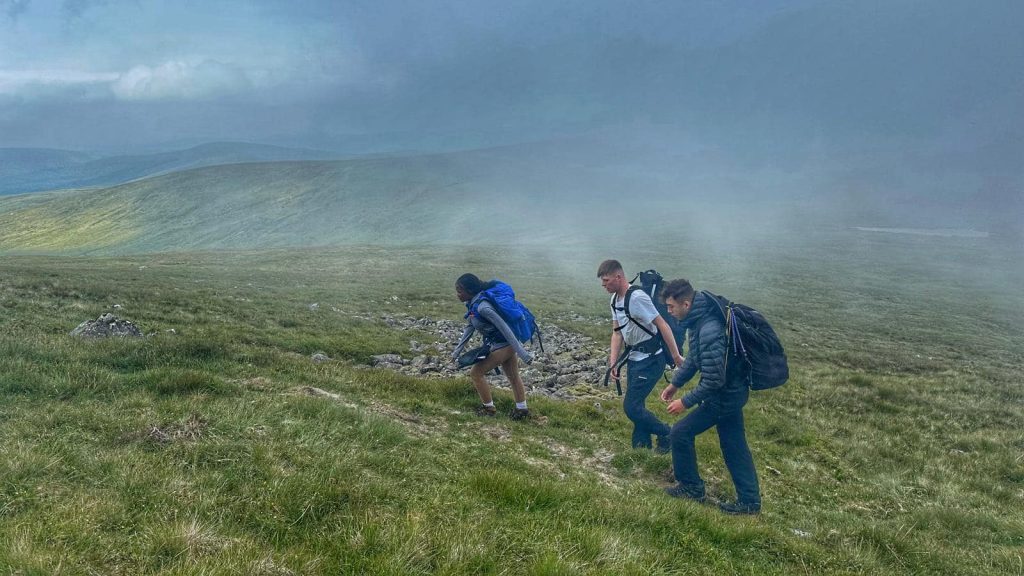
Forgetting Why You’re Doing DofE at All
In the moment, it can feel endless. Afterwards, it’s often one of the things you’re proudest of. It’s easy to get so caught up in the challenge that we forget the bigger picture.
How to avoid it:
- Remember: this isn’t about perfection
- Mistakes are allowed — hiding them isn’t
- You are capable of more than you think
The DofE expedition isn’t designed to be a walk in the park — it’s designed to show you what you can handle. Those difficult moments often become the stories people laugh about later and feel proud of.
A Note for Parents
It’s completely normal to worry about your child heading off on expedition — especially if it’s their first time away from home or their first big physical challenge. What we see, time and time again, is young people returning:
- More confident
- More independent
- Proud of themselves
- With stories they’re genuinely excited to tell
Young people are supported throughout their expedition by trained staff, clear safety systems, and a structure designed to challenge without overwhelming. Discomfort is part of growth — but no one is left to struggle alone. DofE expeditions aren’t about pushing young people to breaking point. They’re about helping them discover what they’re capable of, with support around them. If I could go back and talk to my younger self — blistered, overpacked, and seriously regretting that Mickey Mouse onesie — I’d say this: You won’t get everything right — and that’s exactly why it matters.
DofE expeditions build confidence because they’re challenging, shared, and real. You learn not just how to walk from A to B, but how to look after yourself, work with others, and keep going when things feel hard. And if you stick with it, you might just surprise yourself with where it leads.
For official guidance, resources and expedition requirements, visit the Duke of Edinburgh’s Award website.